 Reviews

 Proudly American
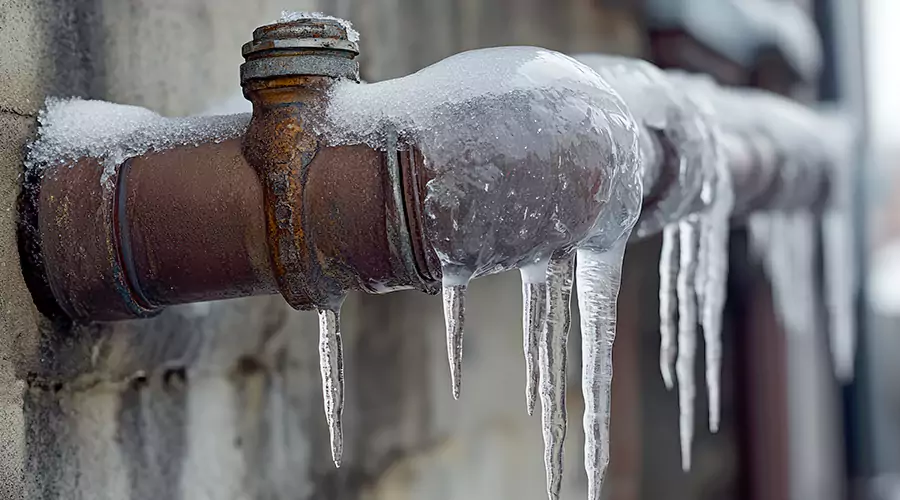
Frozen pipes are one of the most common winter plumbing emergencies. When water freezes, it expands. That expansion can block flow and build pressure inside the pipe, sometimes leading to cracks or a full burst. The good news is you can prevent most frozen pipe problems with a few smart steps, and if a pipe does freeze, you can often handle it safely if you act quickly.
This guide covers frozen pipes prevention and repair, including warning signs, safe thawing, and what to do if a pipe bursts.
Why Pipes Freeze (and Which Pipes Are Most at Risk)?
Pipes freeze when they are exposed to cold air for long periods, especially when water is not moving. These spots are most vulnerable:
- Pipes in unheated areas like basements, crawl spaces, attics, and garages
- Pipes on exterior walls with little insulation
- Plumbing near vents, cracks, or gaps that let cold air in
- Outdoor plumbing like hose bibs and irrigation lines
Frozen Pipe Warning Signs
Sometimes pipes freeze before you see any obvious damage. Watch for these common symptoms:
- No water or weak flow from a faucet
- Frost on a visible pipe
- Odd smells from drains (a frozen line can block venting)
- Bulging sections of pipe
- A faucet that only runs hot or only runs cold
If only one fixture is affected, the freeze is usually on that branch line. If multiple fixtures stop, it may be closer to the main supply.
Prevention: How to Stop Pipes From Freezing
Most prevention comes down to insulation, sealing cold air leaks, and keeping some warmth and movement in your plumbing.
1) Insulate exposed pipes
Insulation slows heat loss and helps pipes stay above freezing.
Best places to insulate
- Under sinks on outside walls
- Crawl spaces and basements
- Garage plumbing
- Attic supply lines (if present)
Use foam pipe sleeves and seal seams with appropriate tape. Insulation is simple and often pays for itself after one cold season.
2) Seal air leaks near plumbing
Cold drafts can freeze a pipe even if the rest of the area seems warm.
Look for gaps around:
- Pipe penetrations through walls and floors
- Vents and utility openings
- Basement windows and crawl space vents
Sealing small gaps with caulk or foam (where appropriate) can make a big difference.
3) Keep indoor temperatures steady
During cold snaps, avoid turning heat very low at night. A steady indoor temperature helps protect pipes in wall cavities.
Helpful tip: If you are leaving home for a few days, keep the thermostat set to a safe baseline rather than shutting heat off.
4) Let faucets drip during extreme cold
A small, steady drip can prevent freezing by keeping water moving.
- Drip the faucet that is on an exterior wall or the one farthest from the water entry point
- Use a slow but consistent drip, not a full stream
This can be especially helpful overnight when temperatures drop.
5) Open cabinet doors to warm pipe areas
If you have pipes under a kitchen or bathroom sink on an exterior wall, open the cabinet doors so warm room air reaches the pipes.
6) Protect outdoor plumbing
Outdoor pipes are a top freeze risk.
- Disconnect hoses and drain them
- Shut off and drain exterior lines if your home has a shutoff valve
- Use insulated covers on outdoor faucets if needed
Repair: What to Do When Pipes Freeze?
If you suspect a frozen pipe, act carefully. Your goal is to reduce pressure, thaw safely, and avoid causing a burst.
Step 1: Shut off water if you suspect damage
If you see any cracking, bulging, or leaking, shut off the main water supply right away. If you do not see damage, you can keep the main on for now and focus on thawing.
Step 2: Open the affected faucet
Open the faucet connected to the frozen pipe. This relieves pressure and gives melting water somewhere to go.
Step 3: Find the frozen section
Follow the pipe from the faucet back toward the source. Look for frost, extreme cold spots, or a visible bulge.
Frozen spots often occur:
- Near exterior walls
- Near foundation vents
- In unheated corners of basements or crawl spaces
Step 4: Thaw the pipe safely
Use gentle, controlled heat. Start near the faucet end and work toward the frozen area.
Safer thawing options
- Hair dryer on a warm setting
- Heating pad wrapped around the pipe
- Warm towels (replaced as they cool)
- Space heater aimed toward the area (kept at a safe distance)
Avoid open flames. Do not use a blowtorch, propane heater, or charcoal grill. Those methods can cause fires and damage pipes.
Step 5: Watch for leaks as the ice melts
As water flow returns, inspect the pipe closely. Small cracks can reveal themselves only after thawing.
If you find any leak, shut off the main water supply and move to repair or call a plumber.
What to Do If a Frozen Pipe Bursts?
A burst pipe is urgent, but you can control the situation fast if you follow a simple sequence.
1) Shut off the main water immediately
This stops ongoing flooding.
2) Turn off electricity in the affected area if water is near outlets
If water is dripping near electrical components, switch off the circuit at the breaker. Do not step into standing water near electrical sources.
3) Drain the lines
Open faucets to relieve pressure and drain remaining water.
4) Contain water and dry the area
Use towels, a wet vacuum if available, and fans. Quick drying reduces the risk of mold and damage.
5) Call for repair
A plumber can replace the damaged section properly. If you need a temporary solution, a pipe repair clamp can reduce leaking, but permanent repair is still needed.
Long Term Fixes After a Freeze
After you fix the immediate problem, prevent it from happening again:
- Add insulation to the frozen section and nearby pipes
- Seal drafts and cold air entry points
- Consider rerouting pipes away from exterior walls if freezes repeat
- Check that crawl spaces and basements have adequate protection from cold air
If your home freezes pipes often, it may be a sign of poor insulation, air leakage, or plumbing routed through a high risk location.
FAQ
How long does it take for pipes to freeze?
It depends on insulation, wind, and temperature. In very cold conditions, exposed pipes can freeze within hours, while well insulated pipes may never freeze.
Should I keep water running all night?
A slow drip can help during extreme cold, especially on vulnerable lines. It is not needed in mild winter weather.
When should I call a plumber?
Call a plumber if you cannot locate the freeze, you suspect a burst, you see any leaks, or the pipe is in a hard to reach area like behind walls or under a slab.
Final Takeaway
Frozen pipes are preventable with insulation, sealed drafts, steady indoor heat, and a drip during extreme cold. If a pipe freezes, open the faucet and thaw with gentle heat, never open flame. If a pipe bursts, shut off the main water immediately and get repairs done quickly. A little prevention now can save major repairs later.